
The Hidden Damage a Slow Shower Leak Can Cause
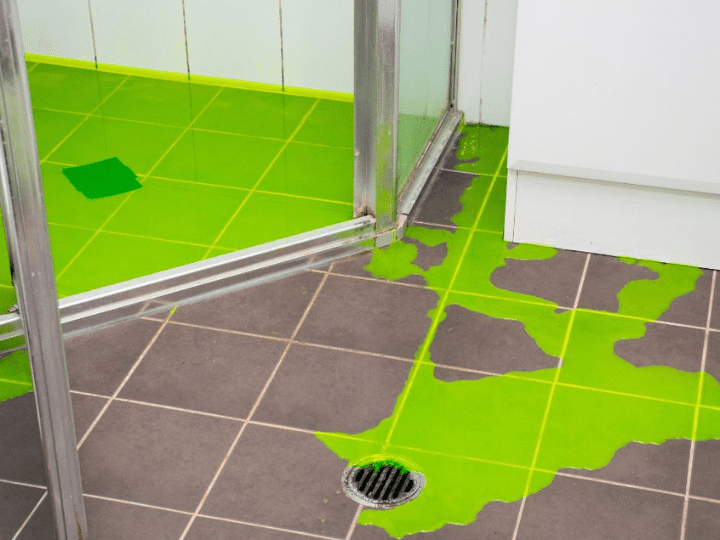
A leaking shower doesn’t always appear urgent.
In many homes, it starts subtly – cracked grout, deteriorating silicone, a tile that feels slightly loose, or moisture that never seems to fully dry out. Nothing dramatic. Nothing that screams emergency.
But even a slow shower leak can cause serious hidden damage behind the walls and beneath the floor.
Why Slow Shower Leaks Are Often Missed
Unlike a burst pipe or obvious plumbing failure, a leaking shower usually develops gradually. The early signs are easy to dismiss:
Hairline cracks in grout
Peeling or mouldy silicone
Discoloured tiles
Damp smells that linger
Because the water escape is slow and consistent rather than sudden, the damage builds quietly over time.
By the time visible symptoms appear outside the shower area, the issue has often been developing for months – sometimes even years.
What Happens When Shower Waterproofing Fails
Most shower leaks are not caused by burst or leaking pipes behind the wall. In many cases, the plumbing itself is perfectly fine.
The problem is usually failed waterproofing.
When grout cracks or silicone deteriorates, water can pass through the surface and seep into wall cavities, subfloors, and surrounding structural areas. Once moisture gets past the waterproof membrane, it doesn’t dry easily.
Over time, this can lead to:
Rotting timber framing
Swollen skirting boards or door frames
Loose, lifting, or hollow tiles
Mould growth inside walls
Persistent musty odours
Ceiling damage in double-storey homes
What began as a minor shower leak can eventually turn into structural repairs.
Why It’s Often Not a Plumbing Issue
Many homeowners assume a leaking shower means there’s a pipe leaking behind the wall.
In reality, leaking shower repairs more commonly involve:
Replacing failed grout
Removing and reapplying silicone
Repairing or reinstating waterproofing
Addressing moisture damage before it spreads
Understanding the difference matters, because unnecessary plumbing work won’t fix a waterproofing failure.
Proper shower leak detection focuses on identifying exactly where water is escaping and why.
The Cost of Waiting Too Long
Because slow shower leaks develop gradually, they’re often ignored until the signs become obvious – mould spreading, tiles lifting, or water stains appearing on ceilings below.
By that stage, repairs are usually more extensive and more expensive.
Early inspection and professional shower leak detection can prevent structural damage, reduce mould risk, and avoid the need for major bathroom renovations.
Signs It’s Time to Have Your Shower Checked
It’s worth arranging an inspection if you notice:
Cracked, crumbling, or missing grout
Silicone that is peeling, mouldy, or separating
Tiles that feel loose or hollow
Persistent damp smells in the bathroom
Moisture marks on adjacent walls or ceilings
These are early indicators that your shower waterproofing may no longer be doing its job.
Protecting Your Home from Hidden Water Damage
A slow shower leak might not feel urgent, but the damage it causes can be significant if left unchecked.
Identifying and repairing the issue early is usually far simpler and more cost-effective than dealing with structural damage later.
If you suspect a leaking shower, having it professionally assessed can give you clarity on the cause and prevent further damage to your home.
Waterite Plumbing provides shower leak detection and repair services across Sydney, the Central Coast, and the Southern Highlands, helping homeowners address issues before they escalate.