
How Much Water Pressure Is Too Much?
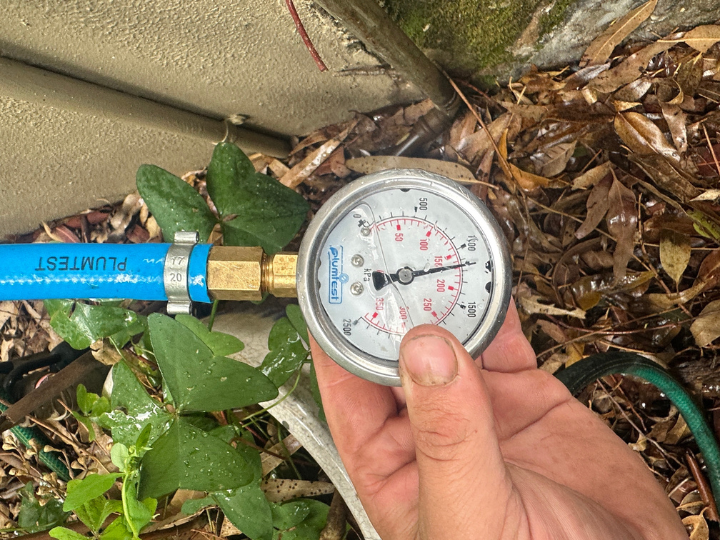
Most people associate good water pressure with good plumbing.
A shower that feels powerful. A tap that fills a bucket quickly. Plenty of pressure at every fixture around the house.
So when we tell someone their water pressure is actually too high, it’s usually met with a puzzled look.
“Isn’t stronger better?”
Not necessarily.
Your Plumbing Doesn’t Feel Pressure the Way You Do
High water pressure might feel great in the shower, but your plumbing system experiences it very differently.
Every time you turn on a tap, flush a toilet or start the dishwasher, that extra pressure is pushing against taps, flexible hoses, valves, appliances, hot water systems and the pipework hidden behind your walls.
One day of high pressure usually isn’t the problem.
It’s what happens after years of that extra strain.
Over time, seals wear out faster, flexible hoses become more vulnerable, valves fail sooner and appliances are forced to work harder than they were designed to.
There’s a Reason the Standard Is 500 kPa
Many homeowners are surprised to learn that Australian Standards require the maximum static water pressure supplied to plumbing fixtures in a residential property to be 500 kPa.
If the incoming mains pressure is higher than that, a pressure reduction valve should be installed to reduce it to an acceptable level.
That isn’t just a recommendation.
It’s there to help protect the plumbing system and the products connected to it.
It Can Affect More Than Your Plumbing
Excessively high water pressure doesn’t just shorten the life of taps and pipework.
Many manufacturers specify a maximum operating pressure as part of their warranty conditions. If a product has been operating above those limits without appropriate pressure control, it may affect a future warranty claim.
It’s also something insurers may consider when assessing claims resulting from burst flexible hoses, failed fittings or water damage, particularly if excessively high water pressure has contributed to the failure.
It’s one of those issues that most homeowners don’t think about until after something goes wrong.
The Signs Aren’t Always Obvious
Unlike a blocked drain or leaking tap, high water pressure doesn’t usually announce itself.
In fact, your plumbing can appear to be working perfectly.
Instead, you might notice things like:
- Taps that seem to need frequent repairs
- Flexible hoses that fail unexpectedly
- Appliances wearing out sooner than expected
- Water hammer or banging noises in the pipes
- Small leaks that seem to keep coming back
On their own, these issues might not seem connected. Sometimes, they’re all symptoms of the same underlying problem.
A Simple Check Can Prevent Bigger Problems
Checking your water pressure is quick, but it can reveal problems that would otherwise go unnoticed.
It’s one of the first things we investigate when plumbing repairs don’t seem to add up or when the same components continue to fail.
Rather than replacing the same tap or hose every few years, it’s often better to address the reason they’re failing in the first place.
Water Pressure Testing
At Waterite Plumbing & Sealing, we can test your property’s water pressure, determine whether it’s within the recommended limits and recommend the most appropriate solution if it’s too high.
We offer free quotes, $0 call-out fees during standard business hours, and same-day service where available across Sydney, the Central Coast and the Southern Highlands.